
2026 Trends in Battery Energy Storage Engineering in Australia
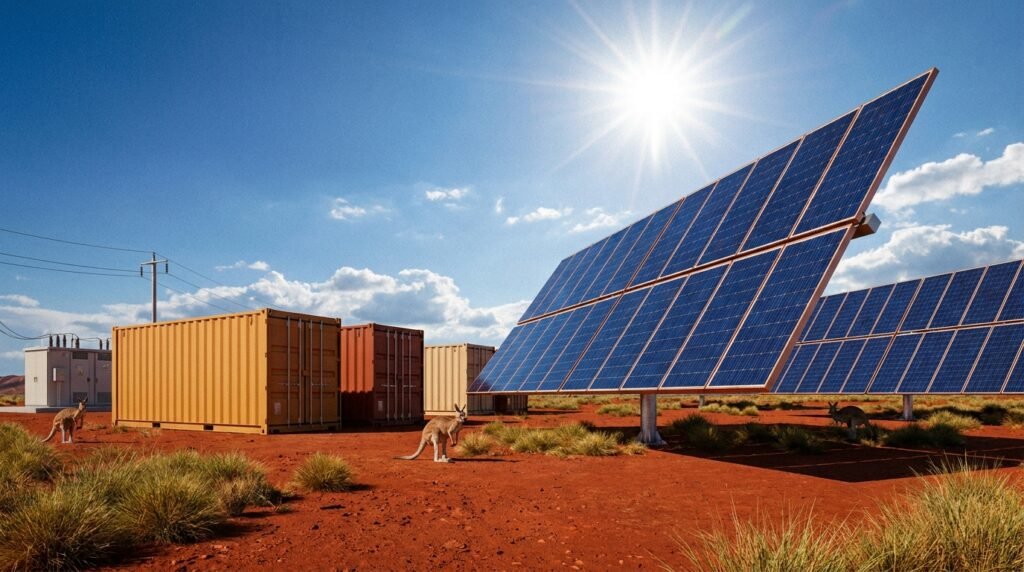
The Australian Energy Market Operator’s (AEMO) 2026 Integrated System Plan lifted its grid-scale battery storage projection to around 24 GW by 2030, roughly 9 GW higher than the 2024 plan assumed. That single revision says a lot about where battery engineering sits right now: demand for storage keep
How BESS Engineering Consultants Support Project Financing & Technical Due Diligence

Lenders don’t finance a battery storage project on the strength of a developer’s pitch deck. They finance it on independent confirmation that the technology, contracts and site will actually deliver the cash flows in the financial model, and that confirmation comes from technical due diligence.
BESS Engineering for Mining and Resources Projects in Australia
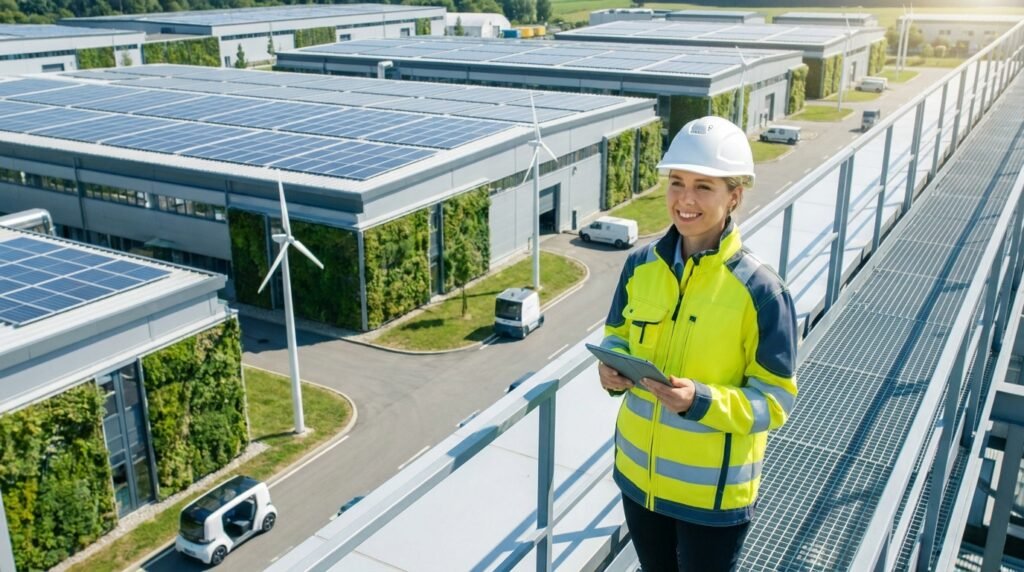
Mining companies didn’t start installing battery storage because it was fashionable. They started because diesel haulage to remote pits is expensive, and a well-sized BESS paired with solar or wind can materially cut fuel burn on a site that’s often running its own private grid.
BESS Engineering for Remote and Off-Grid Sites in the NT and Northern Australia
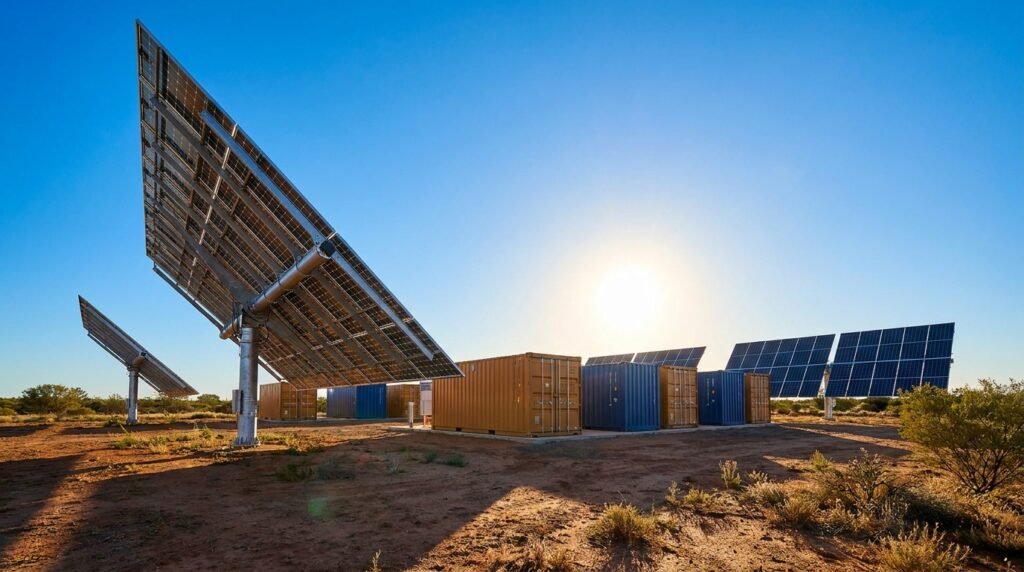
A remote Northern Territory community running on diesel gensets is not a smaller version of a NEM-connected town, it is a different engineering problem entirely. The Borroloola Ngardara project, a 2.1 MW solar array paired with a 1.8 MW / 6.6 MWh BESS, is expected to displace around 1.2 million litr
Battery Storage Site Selection: Engineering Factors That Matter
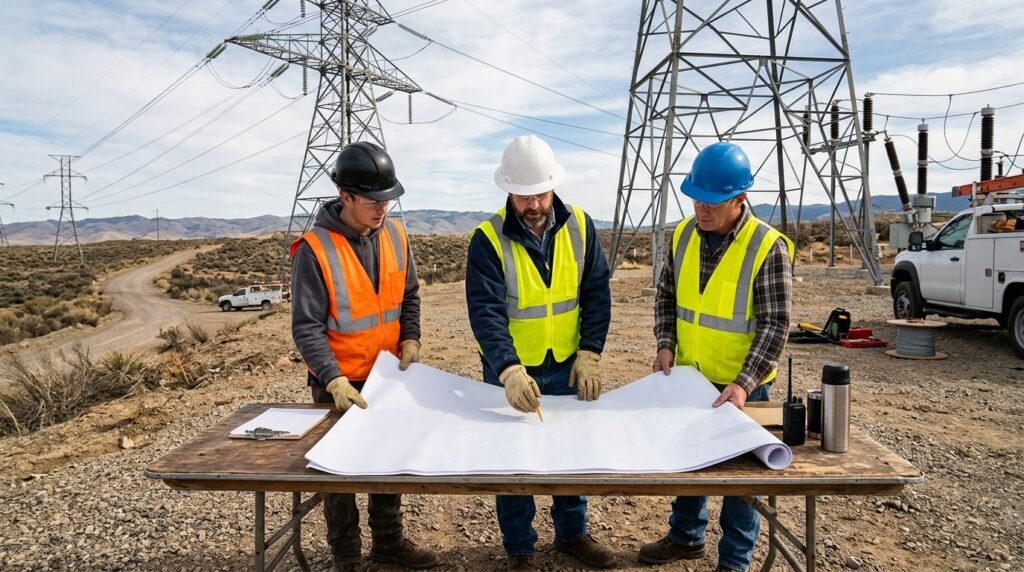
A parcel of land can tick every commercial box, close to a substation, willing landowner, reasonable price, and still fail as a battery storage site once the geotechnical, flood and bushfire studies come back. We regularly see site selection treated as a property exercise first and an engineering ex
The Role of a BESS Engineer in Renewable Energy Projects
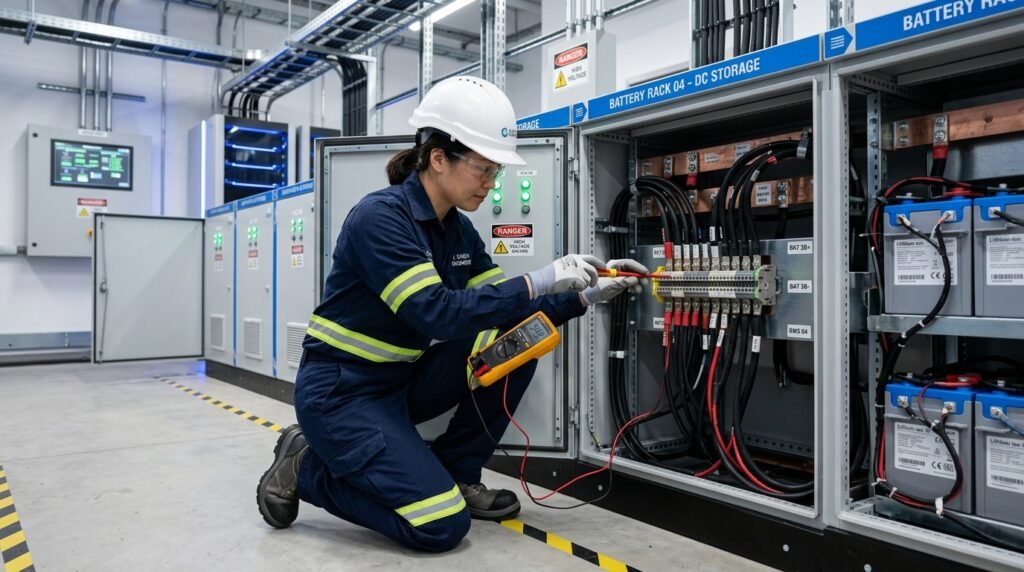
A battery energy storage system (BESS) engineer is not simply an electrical engineer who happens to work on batteries. The role sits across power systems engineering, controls, civil and structural coordination, and regulatory process, and it is the discipline most responsible for the gap between a
BESS Compliance Checklist for Australian Projects

There is no single document a battery energy storage system (BESS) project can tick off and call itself “compliant.” Compliance in Australia is spread across electrical safety standards, network operator requirements, planning and building approvals, and work health and safety obligations, administe
Understanding Battery Chemistry: LFP vs NMC for Australian BESS Projects
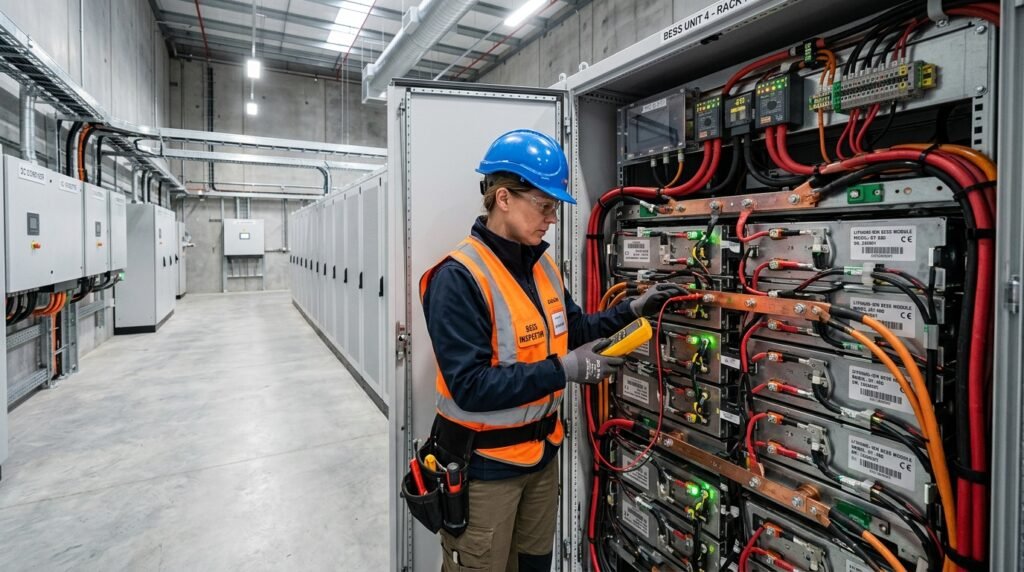
Most utility-scale battery energy storage system (BESS) projects proposed in Australia today use lithium iron phosphate (LFP) cells, not the nickel manganese cobalt (NMC) chemistry that dominates the electric vehicle market. That split is not an accident of supply chains; it reflects a genuine engin
BESS System Sizing: How Engineers Calculate the Right Capacity
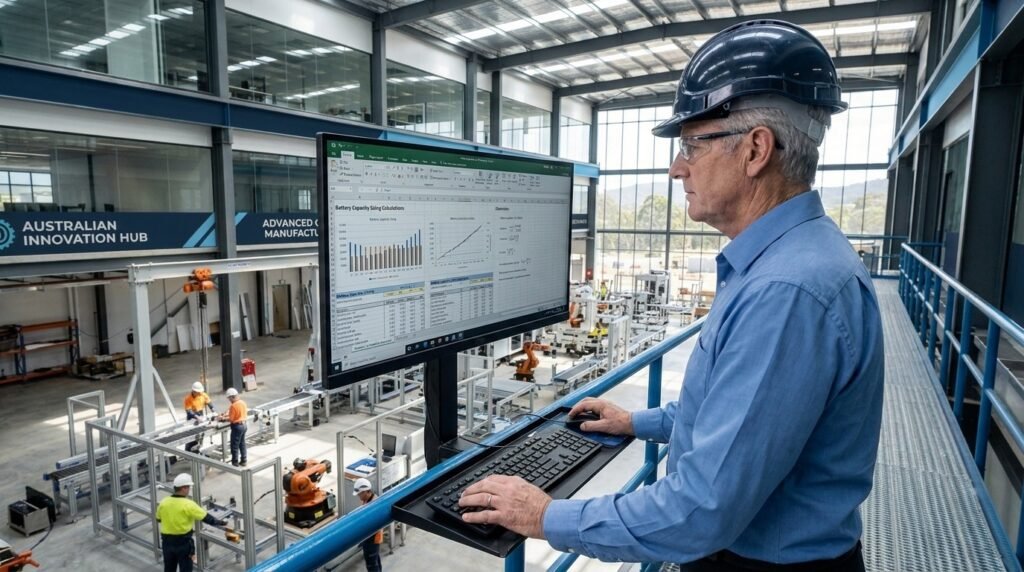
A battery energy storage system (BESS) that is undersized fails to deliver the revenue or reliability it was purchased for, and one that is oversized quietly erodes project returns for twenty years. Sizing is not a single number pulled from a rule of thumb; it is a design output that falls out of th
Utility-Scale BESS Projects in Australia: Engineering Challenges & Solutions
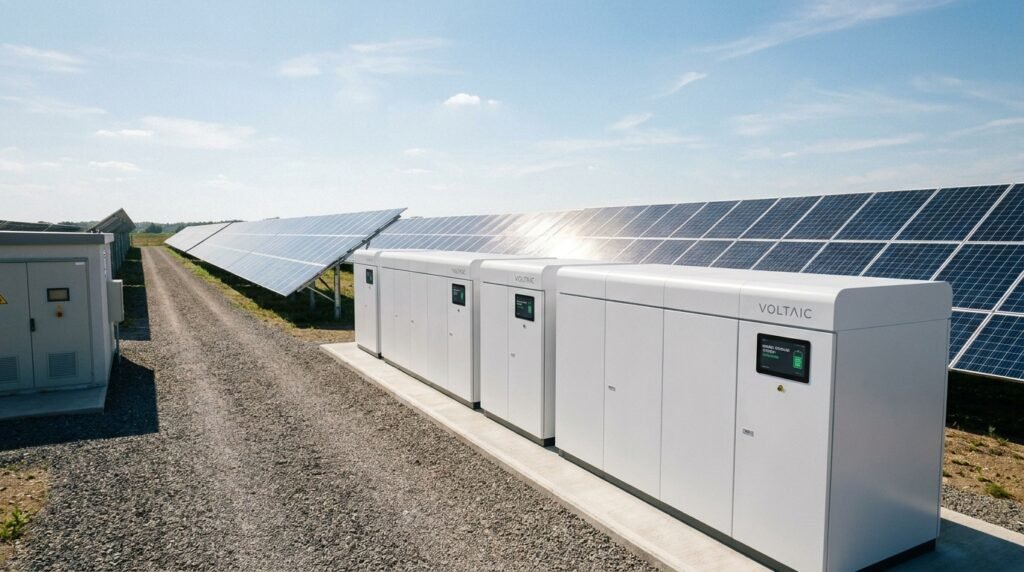
The Waratah Super Battery in New South Wales, rated at 850 MW and 1,680 MWh, was reported by EnergyCo as nearing full capacity in September 2026, and analysts have flagged it as one of the most powerful grid batteries operating anywhere in the world. Numbers like that make for good headlines, but th