
VPP vs Traditional Power Plants: Key Engineering Differences
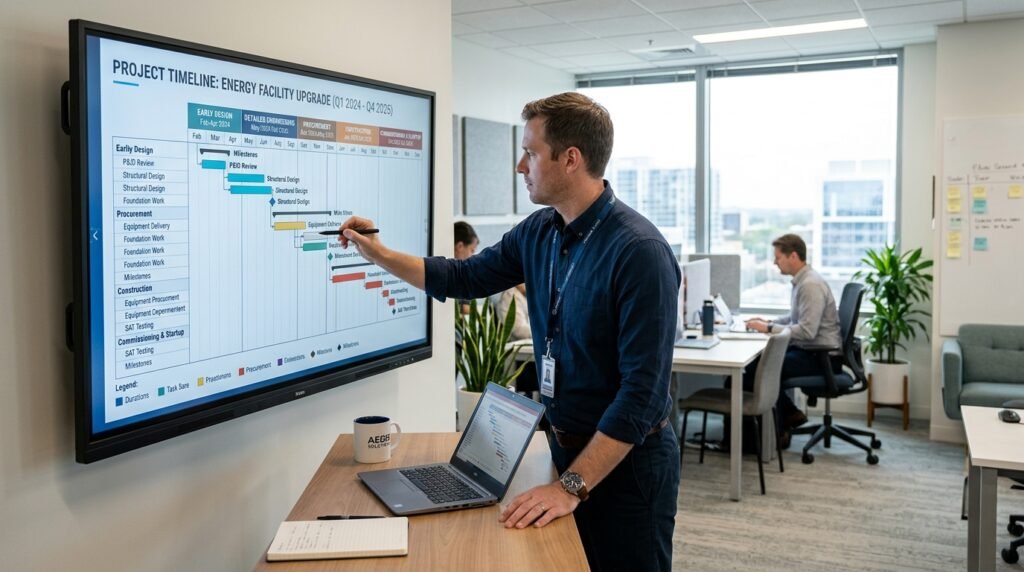
By AGILE Consulting Engineers, Solar PV and Battery Energy Storage Systems (BESS) specialists. A 300 MW open cycle gas turbine and a coordinated fleet of 40,000 home batteries can both offer 300 MW into the National Electricity Market (NEM). Only one of them behaves like a single, well understood machine with a protection relay, a […]
Engineering Requirements for Connecting Batteries to a Virtual Power Plant
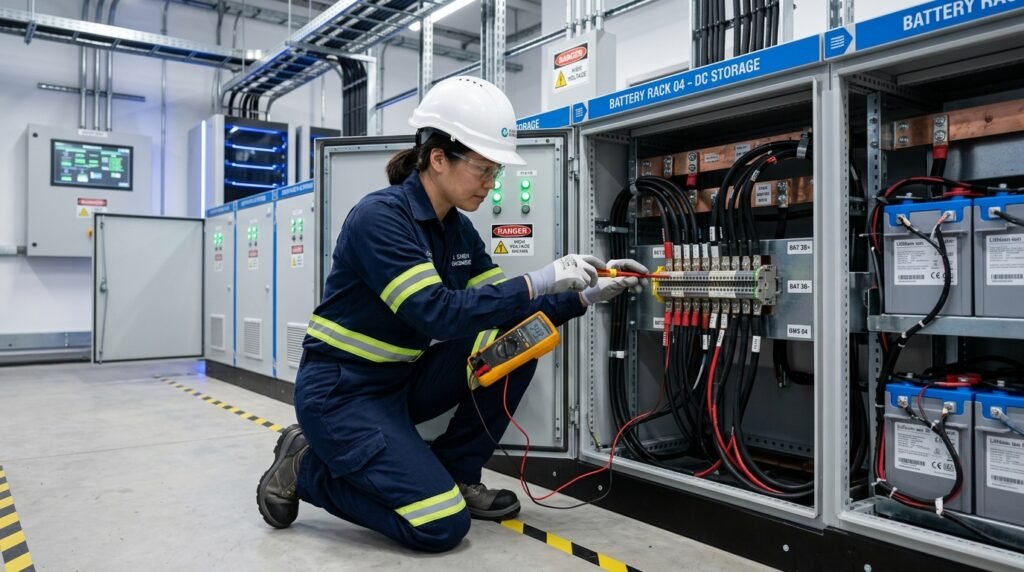
By AGILE Consulting Engineers, Solar PV and Battery Energy Storage Systems (BESS) specialists. Most home and commercial batteries sold in Australia today are technically capable of joining a Virtual Power Plant (VPP). Far fewer are actually enrolled, and the gap between “capable” and “enrolled” is almost entirely engineering paperwork and interoperability, not hardware. Getting a […]
How VPPs Generate Revenue Through Wholesale and FCAS Markets
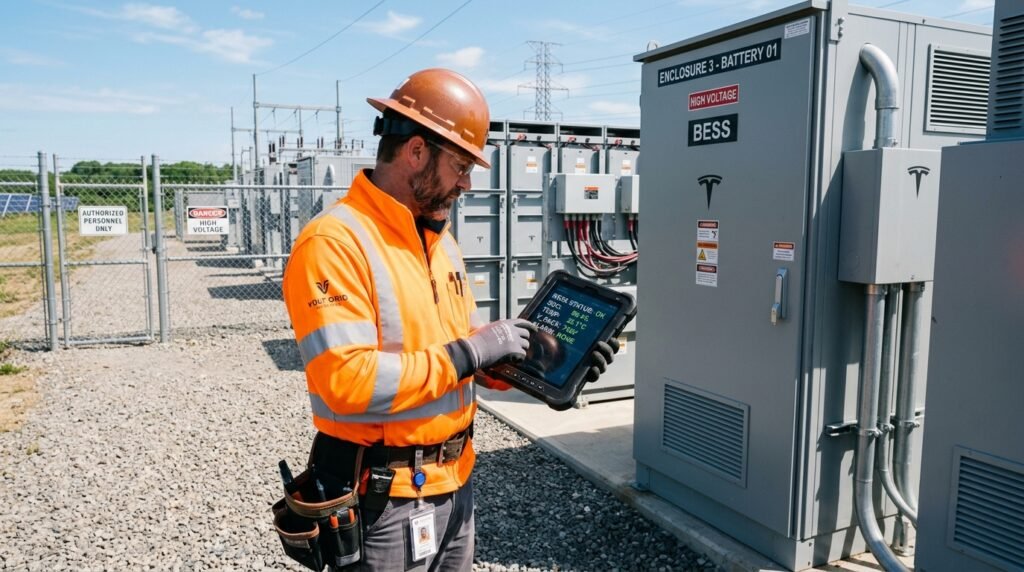
By AGILE Consulting Engineers, Solar PV and Battery Energy Storage Systems (BESS) specialists. Ask most people how a Virtual Power Plant (VPP) makes money and they will describe arbitrage: charge when power is cheap, discharge when it is expensive. That is real, but for a lot of registered VPPs it is not even the main […]
VPP Engineering for Commercial and Industrial Energy Users
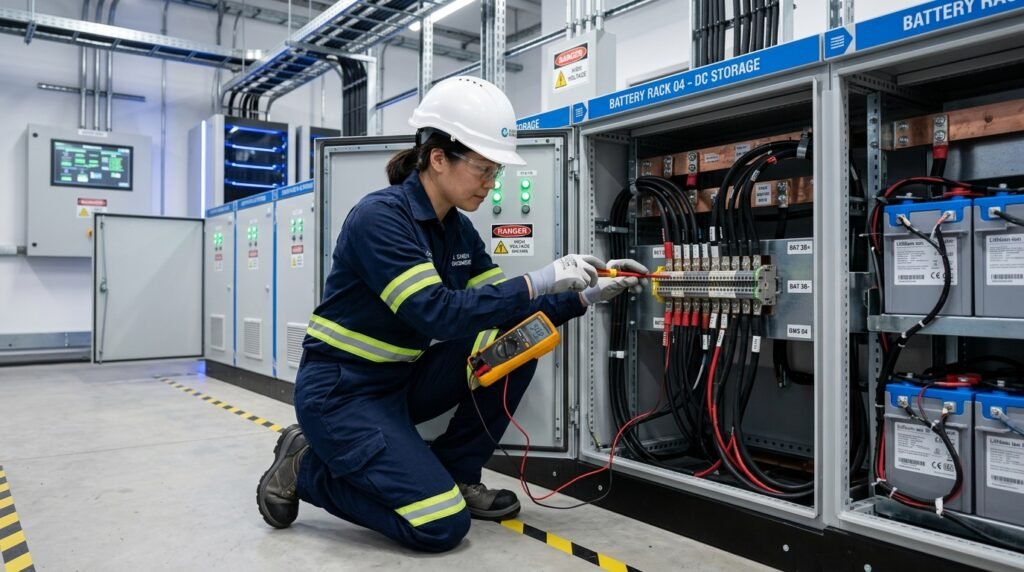
By AGILE Consulting Engineers, Solar PV and Battery Energy Storage Systems (BESS) specialists. A residential Virtual Power Plant (VPP) program succeeds by aggregating thousands of small, near identical batteries into a statistically predictable fleet. A commercial and industrial (C&I) VPP has to do the opposite: extract meaningful value from a handful of large, individually engineered […]
The Role of a VPP Engineering Consultant in Project Development
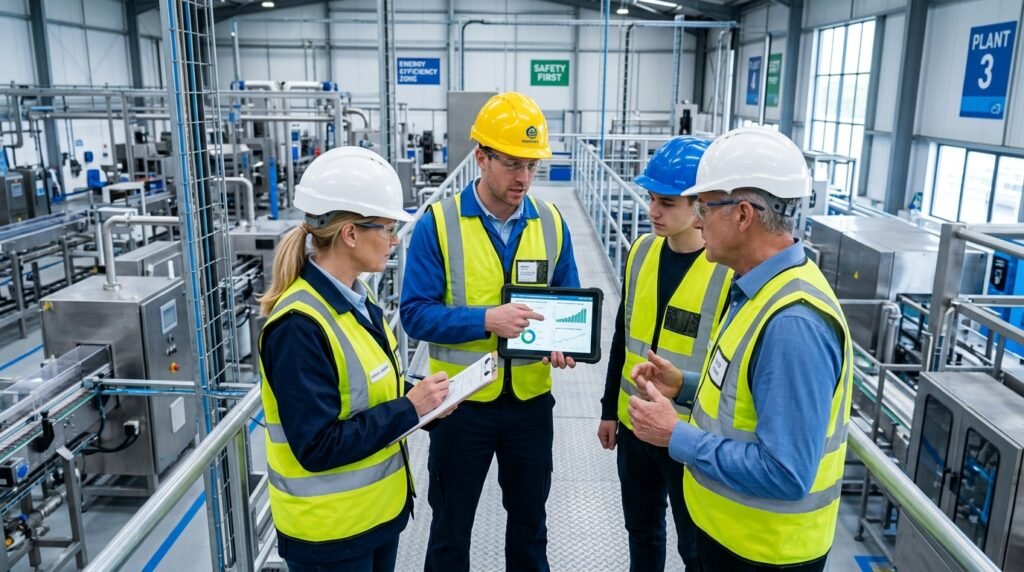
By AGILE Consulting Engineers, Solar PV and Battery Energy Storage Systems (BESS) specialists. Most virtual power plant (VPP) programs fail quietly, not in a control room but on a spreadsheet, months before the first battery is enrolled. A VPP is an aggregation of distributed energy resources (DER), such as household or commercial batteries and solar […]
VPP System Design: Software, Hardware and Control Requirements

By AGILE Consulting Engineers, Solar PV and Battery Energy Storage Systems (BESS) specialists. A virtual power plant (VPP) is often described as software, and that description undersells it badly. The dispatch platform is only one layer sitting on top of physical hardware, a communications path that has to survive a home internet outage, and a […]
How Solar and BESS Assets Are Aggregated Into a Virtual Power Plant
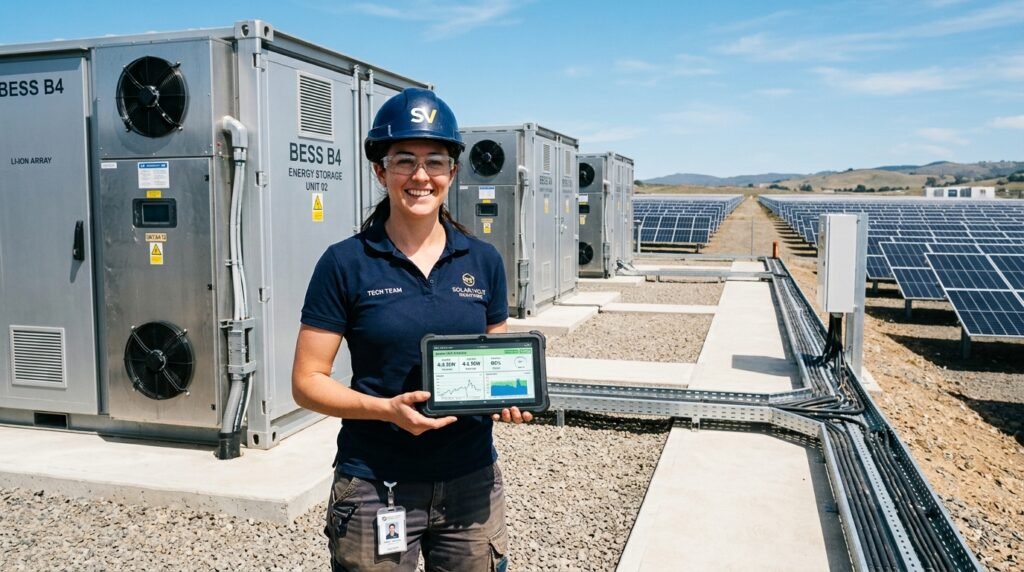
By AGILE Consulting Engineers, Solar PV and Battery Energy Storage Systems (BESS) specialists. More than 193,000 residential batteries were installed across Australia in 2025 alone, according to Clean Energy Council reporting, and the Clean Energy Regulator projects up to 520,000 more in 2026. A handful of individual home batteries make no difference to the National […]
Regulatory Framework for VPPs in the National Electricity Market
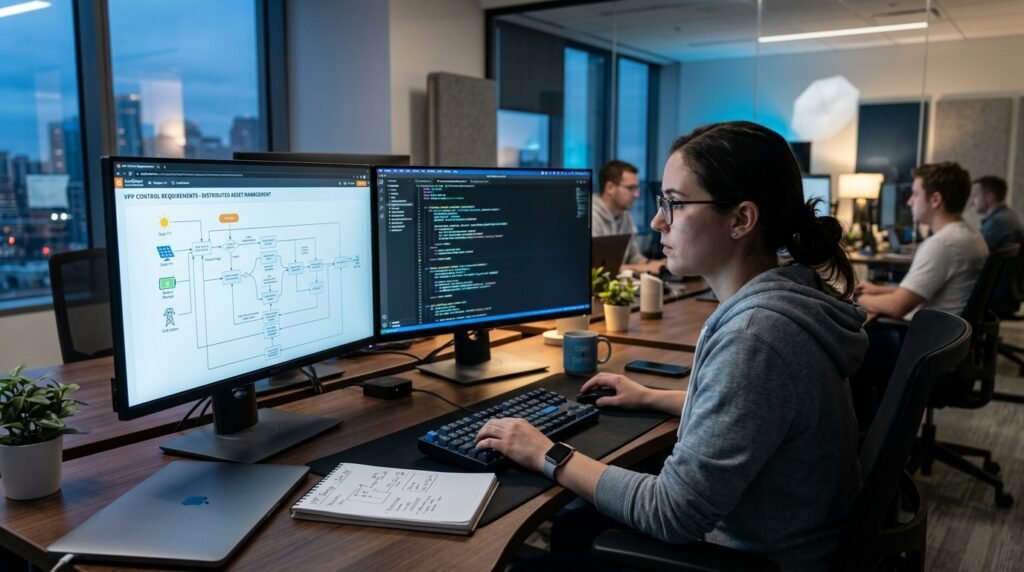
By AGILE Consulting Engineers, Solar PV and Battery Energy Storage Systems (BESS) specialists. Ask three people in the Australian energy sector what registration category a virtual power plant (VPP) aggregator needs, and there is a reasonable chance you get three different, slightly outdated answers. The category that used to answer this question, Small Generation Aggregator, […]
VPP Case Studies: How Australian Businesses Are Using Aggregated DER

By AGILE Consulting Engineers, Solar PV and Battery Energy Storage Systems (BESS) specialists. Most people picture a household battery and a smartphone app when they hear “virtual power plant” in Australia. That picture is only part of the story. The National Electricity Market (NEM) now hosts a genuine spread of aggregation models, from retailer-run residential […]
Grid Stability and VPPs: How Engineering Design Supports Network Security
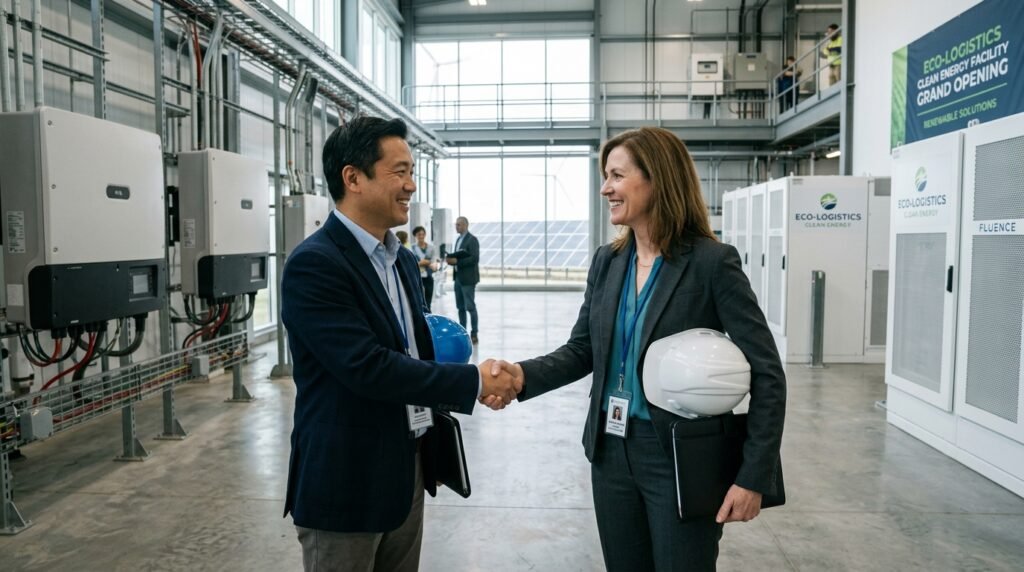
By AGILE Consulting Engineers, Solar PV and Battery Energy Storage Systems (BESS) specialists. Inertia in the National Electricity Market (NEM) has fallen from around 93,000 megawatt seconds in 2017 to roughly 84,000 megawatt seconds by 2025, as synchronous generating units retire and non-synchronous plant, including solar and batteries, takes their place. A virtual power plant […]