
By AGILE Consulting Engineers, Solar PV and Battery Energy Storage Systems (BESS) specialists.
Most Victorian business owners think of the Victorian Energy Upgrades program, if they think of it at all, as a residential lighting scheme. It is actually one of the longest running and most substantial energy efficiency mechanisms available to commercial and industrial sites in Australia, and more than 180,000 businesses have used it since the scheme began in 2009, according to the Victorian Government. The catch is that almost nobody applies for it directly, because it does not work like a normal grant.
Table of Contents
- What Is the Victorian Energy Upgrades Program
- How the Certificate Mechanism Actually Works
- What VEU Funds for Businesses
- Why You Access It Through Accredited Providers
- Eligible Upgrades Worth Knowing About
- Where Solar and Battery Projects Fit
- Practical Considerations Before You Sign
- What to Do Next
- FAQ
What Is the Victorian Energy Upgrades Program
The Victorian Energy Upgrades program, generally shortened to VEU, is a Victorian Government scheme designed to reduce energy consumption and greenhouse gas emissions across the state’s homes and businesses. It is regulated by the Essential Services Commission, known as the ESC, which administers the certificate registry and accredits the providers who deliver upgrades on the ground. The Department of Energy, Environment and Climate Action, known as DEECA, oversees the policy settings behind the scheme.
Unlike a government grant with a capped funding pool and application rounds, VEU runs continuously. Applications, in the sense of accessing a discount, can be made at any time through an accredited provider, and there is no fixed closing date for the scheme as a whole, according to business.gov.au as of late 2025.
How the Certificate Mechanism Actually Works
VEU is what is known as a white certificate scheme. Electricity retailers operating in Victoria are legally required to acquire a set number of Victorian Energy Efficiency Certificates, or VEECs, each year. Each VEEC represents one tonne of greenhouse gas emissions avoided through an approved energy saving activity. Accredited providers generate these certificates when they install eligible equipment for a household or business, then sell the certificates into the market, largely to retailers meeting their obligation.
The value of those certificates is what funds the discount a business receives. Rather than a business paying full price and later claiming a rebate, the accredited provider builds the expected certificate value into the upfront price of the job, so the discount is applied immediately, at the point of purchase and installation. This is a fundamentally different mechanism to the grant style programs businesses might be more familiar with, and it means the size of the discount fluctuates to some degree with the market price of VEECs at the time of installation.
What VEU Funds for Businesses
The scope of eligible products is broader than most businesses expect. According to business.gov.au, current products eligible for a VEU discount for commercial customers include commercial and industrial lighting, commercial and industrial solar panels, induction cooktops, hot water systems, heating and cooling equipment, high efficiency motors, clothes dryers, shower heads, televisions, and window glazing, among others. The Victorian Government’s own energy.vic.gov.au business page lists a similarly broad set of eligible activities aimed at helping businesses reduce energy use and switch to more efficient electric equipment.
Not every activity attracts the same discount, and not every activity is available at every point in time. Eligible activities and their certificate values are reviewed periodically, and some activities have been paused or adjusted in the past as the scheme evolves, which is a normal part of how a market based certificate scheme operates rather than a sign of a program winding down.
Why You Access It Through Accredited Providers
Businesses cannot apply to VEU directly. Instead, an accredited provider, meaning a business or contractor authorised by the ESC to deliver energy saving upgrades under the scheme, handles the installation and the certificate creation. The provider effectively takes on the administrative and compliance burden of the scheme in exchange for the right to generate and sell the resulting certificates.
This matters for two reasons. First, the quality and pricing of what you get depends heavily on which accredited provider you choose, since providers compete on how much of the certificate value they pass through as a discount versus retain as margin. Second, only work carried out by an accredited provider, using approved products, generates a valid certificate, so using a non accredited installer means missing out on the discount entirely, even if the equipment itself is otherwise suitable. Businesses can search the ESC’s public registry to confirm a provider’s accreditation before signing a contract.
Eligible Upgrades Worth Knowing About
For many commercial LED lighting retrofits, the certificate value on offer can be substantial relative to project cost, which is part of why lighting has historically been one of the most commonly upgraded categories under VEU. Heating, ventilation and air conditioning upgrades, along with high efficiency motor replacements, are also frequently accessed by commercial and industrial sites looking to cut both energy use and maintenance costs in one project.
Some activities that have attracted stricter conditions in recent years include commercial heat pump hot water systems, where minimum co-payment requirements have been introduced as regulatory settings have tightened, according to industry sources reporting on scheme changes through 2025. This is a useful reminder that VEU is not a static program. Eligible activities, certificate values and co-payment requirements shift as the Victorian Government adjusts the scheme, so businesses should confirm current terms with an accredited provider or the ESC directly before finalising a project, rather than relying on figures quoted in older marketing material.
Where Solar and Battery Projects Fit
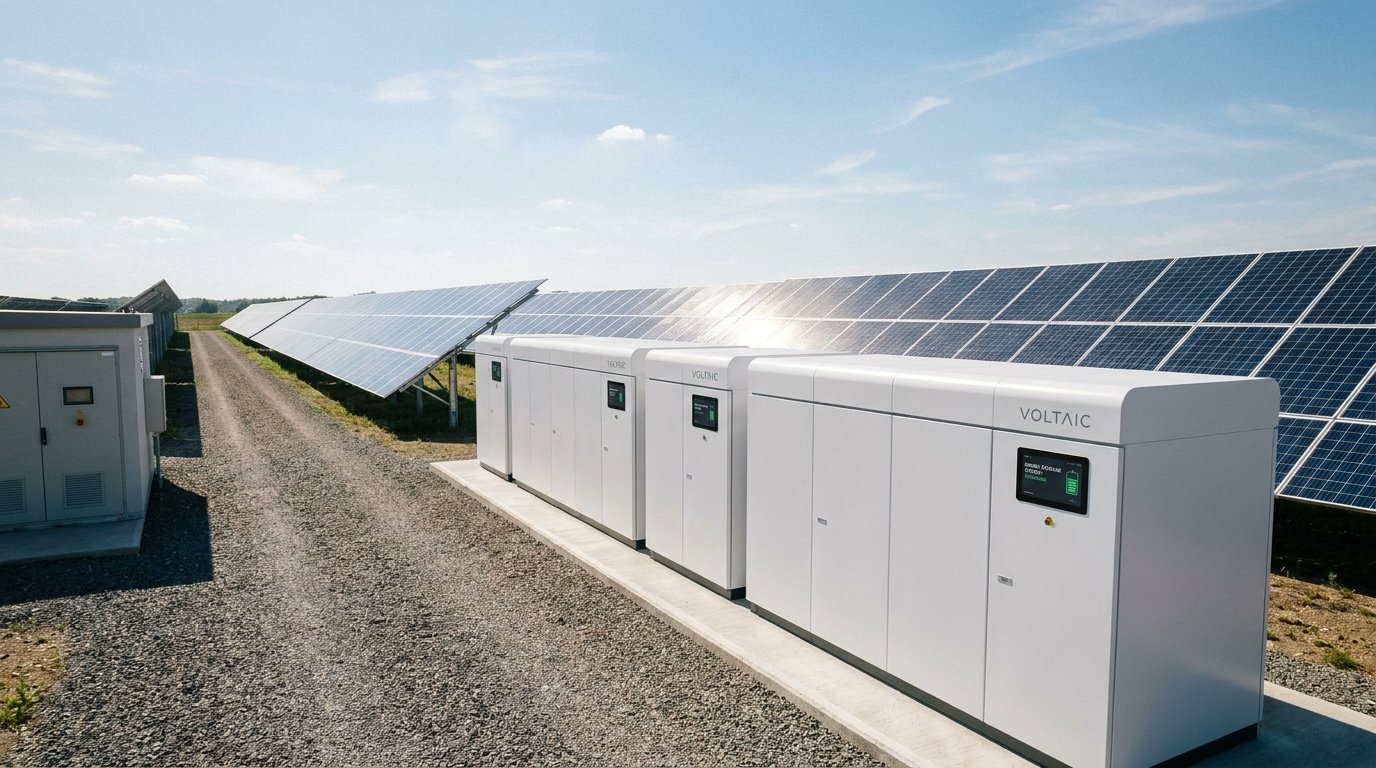
Commercial and industrial solar PV is listed as an eligible product category under VEU, which means businesses installing rooftop solar may be able to access a certificate based discount on the installation through an accredited provider, in addition to any separate solar feed in arrangements or federal Small scale Technology Certificate value that applies to the system. Battery energy storage systems, referred to as BESS, sit somewhat differently within Victoria’s incentive landscape, and businesses considering combined solar and battery projects should have a qualified engineer or accredited provider clarify exactly which components of a proposed system are eligible under VEU at the time of quoting, since eligible technology lists are updated periodically by the scheme administrator.
Practical Considerations Before You Sign
Because the VEU discount is built into the upfront price by the accredited provider rather than paid separately to the business, it is worth getting more than one quote before committing to a project. Two accredited providers offering the same equipment can present quite different net prices depending on how much certificate value they choose to pass through. It is also worth asking a provider to itemise the underlying equipment cost and the VEU discount separately, so the actual value being delivered is transparent rather than bundled into a single headline number.
For businesses running larger or more technically complex upgrades, particularly where lighting, HVAC and on-site generation are being considered together, an independent engineering review of the proposed scope can help confirm that the equipment specified is both fit for purpose and correctly matched to what the VEU scheme will actually support.
What to Do Next
VEU can genuinely reduce the upfront cost of a commercial energy upgrade, but getting full value from it depends on choosing the right accredited provider, specifying the right equipment, and understanding which activities are currently eligible and at what value. This is the point where an independent feasibility or scope review can strengthen the outcome of a project considerably, particularly where VEU savings are being factored into a broader solar or BESS business case. We’ve helped Victorian businesses work through this kind of assessment before committing to a provider, and would encourage any business weighing up a significant energy upgrade to get that technical groundwork done first.
FAQ
How do businesses apply for the Victorian Energy Upgrades program?
Businesses do not apply directly. They engage an accredited provider, who installs eligible energy saving equipment and passes on a discount funded by the value of the Victorian Energy Efficiency Certificates the work generates.
What products can a business get a VEU discount on?
Eligible products currently include commercial and industrial lighting, commercial and industrial solar panels, hot water systems, heating and cooling equipment, high efficiency motors and several other categories, according to business.gov.au.
Who regulates the VEU scheme?
The Essential Services Commission administers the certificate registry and accredits providers, while the Department of Energy, Environment and Climate Action oversees the broader policy settings.
Is there an application deadline for VEU?
No. The scheme runs on an ongoing basis with no fixed rounds, and businesses can access it at any time through an accredited provider.
Does the discount value stay the same for every project?
No. The discount depends on the value of Victorian Energy Efficiency Certificates at the time of installation, the specific activity undertaken, and how much certificate value the accredited provider passes through as a discount.
Can VEU be used alongside a solar or battery project?
Commercial solar PV is an eligible product category under VEU, and eligible technology lists are updated periodically, so businesses should confirm current eligibility for solar and any battery components directly with an accredited provider before finalising a project.
